Everything You Need to Know About Anxiety and Anxiety Counseling in Spokane
Anxiety doesn’t always look like panic attacks, staying locked in your house or constant fear. For many high-achieving, driven adults, anxiety shows up as quiet overthinking, chronic pressure, burnout or feeling that it’s never quite safe to slow down.
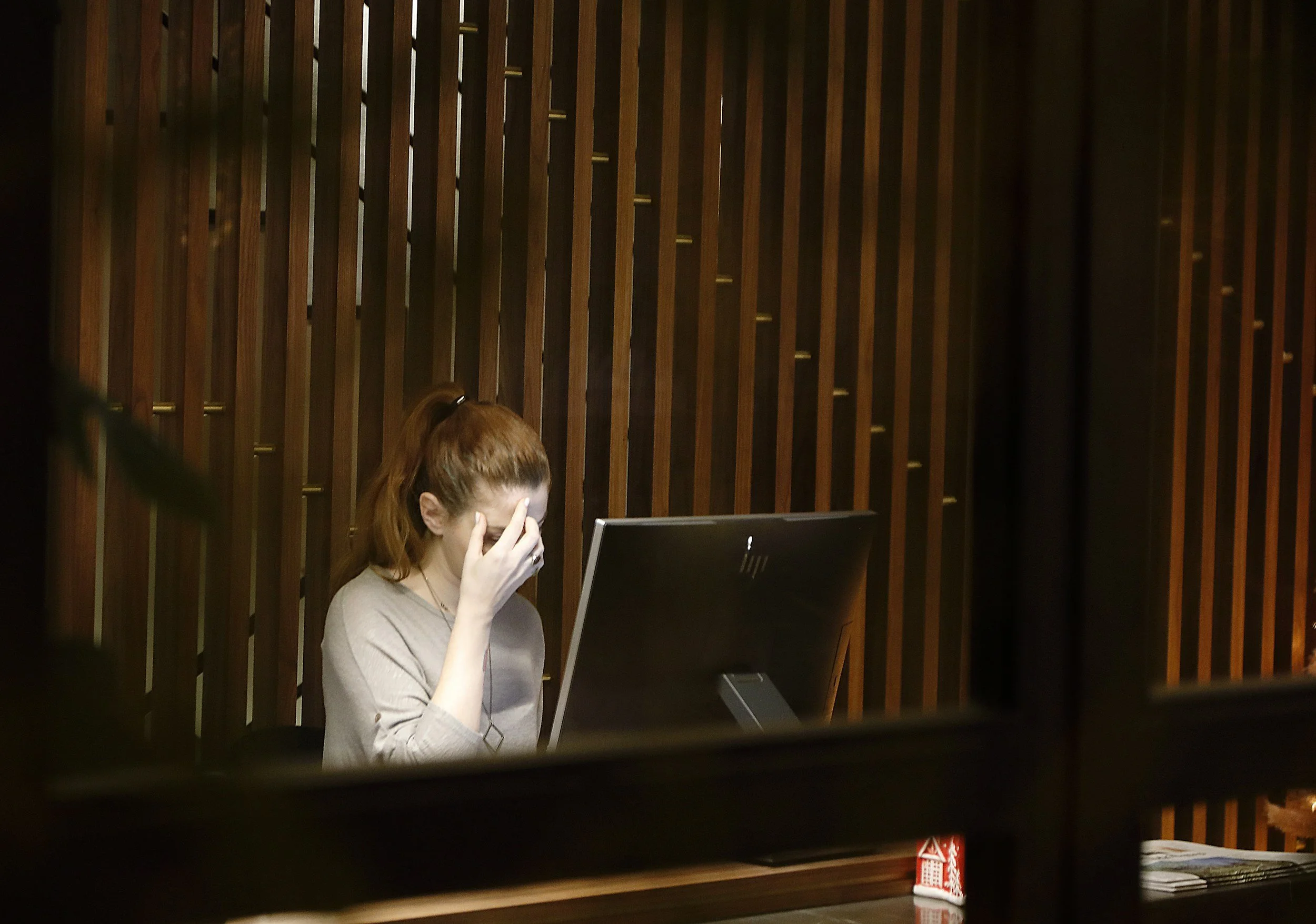
You may be successful on paper, dependable at work and capable in relationships, yet internally you’re feeling tense, exhausted and stuck in your own head. if that sound familiar, you’re not alone - and you’re not broken.
This guide walks through what anxiety really is, how it shows up (especially in high-functioning adults), ways to reduce anxiety and what anxiety counseling in Spokane looks like for those seeking professional support, including telehealth options throughout Washington State.
What Anxiety Really Is (and What It Isn’t)
Anxiety is an over-firing of the mid-part of the brain. It’s the nervous system’s way of protecting you from danger. It’s designed to keep you alert, prepared and responsive.
Think about hanging out by the watering hole back in cave-person days. If you hear a stick crack in the bushes, you want your body to prepare itself to either run away or fight like hell.
So, the problem isn’t anxiety in and of itself. The problem is when the system is activated but danger isn’t present or when it stays “on” after danger has passed. This results in prolonged and excessive levels of system activation that are exhausting.
Nervousness vs. Anxiety
Normal nervousness is like the often annoying jitters you get when you are stepping outside of your comfort zone (i.e. giving a presentation, meeting new people, trying something new).
Anxiety, on the other hand, lingers when there’s no clear threat, constantly scanning for what could go wrong and creating multiple contingency plans. It may keep you up at night, replay conversations or prepare for worse-case scenarios.
While nervousness comes and goes, anxiety tends to persist, interfering with work, relationships, physical health and overall well-being.
Common Anxiety Symptoms (Especially in High-Achieving Adults)
Anxiety doesn’t look the same for everyone. In high-functioning adults, symptoms are often internal and quickly dismissed.

Cognitive & Emotional Symptoms
Excessive worry or rumination
Difficulty concentrating or remembering things
Constant planning and over-planing
Rehearsing conversations
Overthinking decions long after they’re made
Feeling “stuck in your head” or that your mind is really “loud”
Physical Symptoms
Persistent fatigue
Muscle tension, tightness in the chest or stomach
Racing heart
Difficult breathing, shallow and rapid breaths
Sweating or trembling
Stomach discomfort of nausea
Restlessness
Trouble sleeping or staying asleep
Behavioral Patterns
Overworking or staying constantly busy
Difficulty resting without guilt
Avoiding situations that trigger uncertainty
Comparing yourself to others and always coming up short
Imposter syndrome and feeling like a fraud
Relying on control or perfectionism to feel safe
These patterns are often seen as “drive” or “high standards.” But, when they are fueled by anxiety, you may want to take a second look because over time they lead to exhaustion, burnout and shutdown.
Why Anxiety Shows Up
Anxiety is rarely caused by a single factor. It often develops through a combination of:
Genetics and nervous system sensitivity
Life experiences, including chronic stress or trauma
High Levels of responsibility or pressure
Burnout culture, where rest feels unsafe or unproductive
Learned patterns of coping that once helped, but no longer do
Types of Anxiety
Anxiety shows up in many forms. Some of the more common patterns include:
Generalize Anxiety - often nebulous and persistent worry about numerous everyday situations
Panic Attacks - sudden surges of intense fear and physical symptoms
Social Anxiety - fear of judgment and rejection in social situations
Specific Fears or Phobia - anxiety tied to a particular situation or object
You don’t need a diagnosis for anxiety to be valid or worthy of support.
How to Reduce Anxiety
If you’ve been struggling with anxiety for awhile now, more than likely you have naturally developed coping strategies. As you read through this list, begin identifying the ways (healthy and not so healthy) you use to regulate your nervous system.
Nervous System Regulation
Breathing exercises, grounding techniques and body-based practices can help signal safety to your nervous system and reduce physical symptoms of anxiety.
Thought Awareness
Noticing anxious thinking patterns, without trying to “positive think” them away. This can create space between you and your thoughts, thereby allowing you to challenge unhelpful thoughts.
Behavior and Values Alignment
You feel best about yourself and your life runs smoothest when your behavior is in line with your values. Anxiety often increases when behavior moves away from your authentic self. When actions align with personal values, anxiety tends to soften.
Coping skills can be useful. But, for many people they’re not enough on their own.
Coping Strategies that May Come with Consequences
Unhelpful coping strategies could be doom scrolling, alcohol or other substance use (including caffeine), and binge-watching or binge-eating.
Even “sneakier” unhelpful coping strategies include: perfectionism and overworking, control and micromanaging, avoidance and procrastination, and people pleasing behaviors.
When Coping Isn’t Enough
If anxiety keeps returning despite your best efforts, or you find yourself slipping more an more into unhealthy coping strategies to just get by, it may be a signal that you need an outside perspective and input.
This is often when people start asking:
Is it worth seeing a therapist for anxiety?
Does counseling even help with anxiety?
With everything on my plate, how do I even get started?
For many high-achieving adults, therapy isn’t about “fixing” the anxiety. Remember, the drive and motivation that it has given you has been helpful at certain times and certain doses. So, it’s not about getting rid of anxiety, it’s about learning how to relate to those thoughts and feelings differently in order to reduce the exhaustion and control they have over your life.
What Anxiety Counseling Looks Like
Anxiety counseling focuses on understanding how and why anxiety operates in your life - not just managing symptoms.

Common goals of anxiety counseling include:
Reducing the intensity and frequency of anxiety
Learning how to respond to anxious thoughts and sensations
Building emotional and cognitive flexibility
Developing tools that work in real-world situations
Creating space for rest, connection and meaning
Anxiety Counseling Techniques
Depending on the therapist and your needs, anxiety counseling may include:
Cognitive-behavioral strategies
Acceptance-based approaches
Exposure work (when appropriate)
Mindfulness and other nervous system regulation tools
Values-based decision making
Progress doesn’t mean never feeling anxious - it means anxiety is no longer driving the bus. For more information, check out this post detailing what you can expect as you begin counseling.
How Much Is Anxiety Counseling
The cost of anxiety counseling varies greatly based upon provider, location, insurance coverage and session frequency. Therapy is an investment in long-term well-being, functioning and quality of life.
Therapist vs. Psychiatrist for Anxiety
A therapist or counselor focuses on patterns, coping skills, emotional processing and behavioral change.
A psychiatrist specialized in medication management.
Some people benefit from therapy alone, others from medication alone and the vast majority from a combination. There’s no one-size-fits-all approach.
How to Find Anxiety Counseling Near Me
When searching for anxiety counseling, consider:
The therapist’s experience with anxiety
Whether they work with high-functioning adults and burnout
The counselor’s therapeutic approach
Does this counselor offer in-person and/or virtual sessions
How comfortable you feel with them
Fit matters more than credentials, approach or even certifications. In fact, research has shown that 70% of what accounts for someone reaching their goals in therapy is what the client and counselor bring to the table as far as relationship.
I always recommend doing a telephone consultation with a potential counselor. This way you can ask any questions you may have and get a sense of how it will feel to work with this therapist.
For more information and a step-by-step process, check out this post about how to find an anxiety counselor or, if you live in Washington State, reach out to me to schedule a free 20-minute telephone consulation.
Final Thoughts
Anxiety is exhausting - especially when you've been carrying it quietly for years. Reaching out for help isn’t about weakness; it’s about learning how to work with your nervous system instead of fighting against it.
If anxiety is interfering with your life, peace or happiness, help is available.
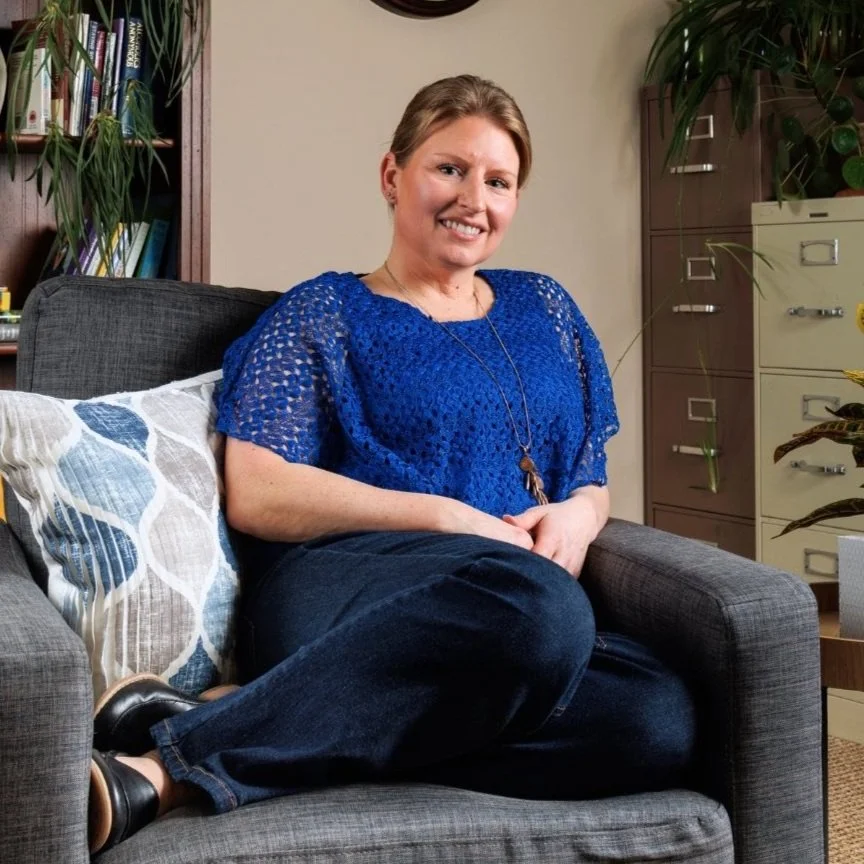
Rachel Baker is a Spokane, Washington-based psychotherapist, with over 20 years of experience helping overworked and overwhelmed people reduce anxiety and explore their use of substances.
Her goal is to connect individual client strengths and experiences with proven therapeutic techniques that increase skill and insight in order for people to create a life filled with peace+purpose.
If you are looking for individual therapy to address anxiety, addiction or trauma, and are located in Washington State, complete this form to schedule a free 15-minute consultation.