High Functioning Anxiety: When Success Masks Struggle
High-functioning anxiety often hides in plain sight.
From the outside, everything looks fine - even impressive. You’re productive, responsible, reliable. You meet deadlines, keep commitments and show up for others. Internally though, life feels tense, exhausting and mentally loud.
Many driven adults live with anxiety for years without realizing it has a name - or that support could help.

What is High-Functioning Anxiety?
High-functioning anxiety isn’t a formal diagnosis. It’s a pattern - one where anxiety fuels performance rather than shutting it down.
Instead of avoiding responsibilities, people with high-functioning anxiety often:
Over-prepare
Over-think
Over-work
Push themselves relentlessly
Anxiety is the engine behind success - until the cost becomes too high.
Common Signs of High-Functioning Anxiety
High-functioning anxiety often shows up different than what people expect anxiety to look like.
Mental and Emotional Signs
Constant overthinking or mental replaying
Difficulty “turning your brain off”
Feeling pressure to always do more or do better
Fear of disappointing others
A persistent sense that something is “off” even when things are going well
Behavioral Patterns

Vacillating between busy and shut-down
Planning and rehearsing conversations in advance
Saying yes when you’re already overcommitted
Difficulty resting without guilt
Comparing yourself to others and always coming up short
Physical Symptoms
Chronic muscle tension
Shallow breathing
Sleep difficulties
Digestive discomfort
Frequent headaches or fatigue
Because productivity remains intact, these signs are often labeled as personality traits rather than anxiety.
Why High-Functioning Anxiety is so Easy to Miss
High-functioning anxiety is often reinforced by external rewards.
You may receive praise for:
Being dependable
Having high standards
Being driven or detail-oriented
Going beyond what is asked
Over time, anxiety becomes normalized - even valued. But internally, your nervous system rarely gets a break. Your body stays in a constant state of readiness, which can lead to burnout, emotional exhaustion or a sense of disconnection from yourself and others.
The Hidden Cost of “Pushing Through” Anxiety
Anxiety-driven success often comes with tradeoffs:
Joy becomes muted
Rest feels unsafe
Self-worth is tied to productivity
Relationships feel strained or secondary
Many people reach a point where they ask: “Why am I doing everything right, but still feel this way?” This is often the turning point.
Why Coping Skills Alone Often Aren’t Enough
High-functioning adults are usually very good at coping.
You may already:
Use mindfulness or breathing exercises
Stay organized and plan ahead
Exercise regulary
Push through discomfort
While coping skills can reduce symptoms temporarily, they often don’t address the deeper patterns that are driving anxiety. This is especially true when anxiety is intertwined with identity, values and self-worth.
How Values-Based Living Can Reduce Anxiety
Anxiety often increases when behavior becomes organized around fear rather than values.
When descions are driven by:
Avoiding mistakes
Preventing judgement
Staying in control
Eliminated future problems
… The nervous system stays activited.
When behavior aligns with personal values - such as connection, integrity, creativity or balance - anxiety often softens. This doesn’t mean anxiety disappears. It means it is no longer driving the bus and making all of the decisions.
(This will be explored more deeply in an upcoming post: Keeping Behavior in Line with Values to Reduct Anxiety - coming soon!)
When High-Functioning Anxiety Signals It’s Time for Support
That internal drive, attention to deal and desire to achieve are amazing qualities and they have helped you get to where you are. But, if anxiety is:
Constantly present
Driving burnout or exhaustion
Affecting sleep or relationships
Preventing you from enjoying success
… it may be time to consider professional support.
Working with a therapist can help untangle anxiety from achievement and build a more sustainable way of living - one that doesn’t rely on pressure and fear of failure to function.
How Anxiety Counseling Can Help
Anxiety counseling isn’t about taking away your drive or ambition. It’s about helping you relate to anxiety differently so it doesn’t run your life.
In therapy, many high-functioning adults work on:
Understanding how anxiety operates within their nervous system
Learning how to respond to anxious thoughts without ever-identifying with them
Reducing the need for constant control or over performance
Reconnecting with themselves and their values
Incorporating boundaries, rest and self care
If you’re curious about what anxiety counseling looks like, you can learn more in What to Expect from Counseling in Spokane.
Final Thoughts
High-functioning anxiety doesn’t mean you’re weak - it often means you’ve been strong for a very long time. Support isn’t about changing who you are. It’s about creating a life where success doesn’t require constant tension and where anxiety no longer sets the pace.
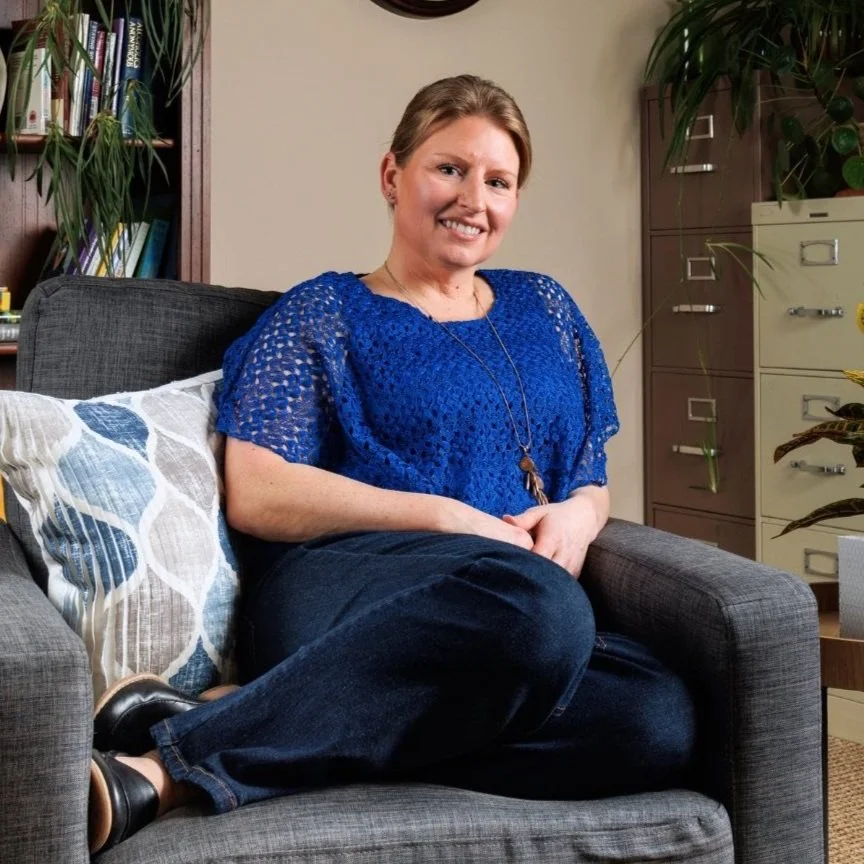
Rachel Baker is a Spokane, Washington-based psychotherapist, with over 20 years of experience helping overworked and overwhelmed people reduce anxiety and explore their use of substances.
Her goal is to connect individual client strengths and experiences with proven therapeutic techniques that increase skill and insight in order for people to create a life filled with peace+purpose.
If you are looking for individual therapy to address anxiety, addiction or trauma, and are located in Washington State, complete this form to schedule a free 15-minute consultation.