Anxiety Symptoms High-Achieving Adults Ignore — And When to Seek Anxiety Counseling
If you’re a high-achieving adult who’s been brushing off anxiety as “just stress,” this post is for you.
“It’s Just Stress” … Until it Isn’t
Many high-functioning adults don’t think of themselves as anxious. They’re successful, capable and responsible. They meet deadlines. They show up. They handle things.
So when anxiety shows up, it often gets labeled as:
Stress
Pressure
Burnout
Being “wired”
Being “bad at relaxing”
But unmanaged anxiety doesn’t always look like panic attack. Often, it hides in plain sight - especially among driven, high-achieving adults.

Common Anxiety Symptoms That Get Missed
These symptoms are frequently overlooked by people who appear to be functioning well, but who may benefit from therapy or anxiety counseling.
Constant Mental Overdrive
Difficulty shutting your mind off
Replaying conversations or decisions
Always thinking about what’s next
This type of anxiety often masquerades as productivity - but it’s exhausting.
Irritability and Low Frustration Tolerance
Anxiety doesn’t always feel like fear. Sometimes it looks like:
Snapping more easily
Feeling chronically tense
Becoming impatient with people you care about
Many clients seek anxiety counseling in Spokane for irritability long before they name anxiety itself.
Trouble Resting - Even When You Have Time
You may technically be “off” but your body never fully relaxes.
Difficulty sleeping
Feeling guilting for resting
Needing substances, screen or distractions to unwind
This is a nervous system that hasn’t learned how to come down from constant activation.
Physical Symptoms with No Clear Cause
Anxiety is often deeply physical. Common symptoms include:
Tight chest or shallow breathing
Headaches or jaw tension
Digestive issues
Fatigue despite adequate sleep
These symptoms are often what prompt people to seek therapy after ruling out medical causes.
When Stress Becomes Anxiety
Stress is situational. Anxiety is persistent. You might be dealing with anxiety if:
Your nervous system feels “on” most of the time
You can’t relax even when things are going well
Stressors feel bigger than they objectively are
You’re functioning, but not feeling well

This is often when counseling for anxiety become especially helpful.
Why High-Achieving Adults are Especially Vulnerable
High-functioning anxiety often develops in people who:
Learned early to be responsible or self-reliant
Are used to pushing through discomfort
Receive praise for productivity, not rest
Carry unspoken pressure to “hold it together”
Anxiety can become a survival strategy - until it starts costing more than it gives.
What is anxiety counseling?
Anxiety counseling is a form of talk therapy that helps you understand the root causes of your anxiety not just manage the symptoms. A therapist works with you to identify patterns in your thinking, nervous system responses and behavior - and helps you develop tools to respond differently.
Sessions are confidential, non-judgmental and tailored to your specific experience. For more information about what to expect from anxiety counseling, check out this blog post.
How Therapy Helps with Anxiety Symptoms
Therapy for anxiety isn’t only about symptom reduction. It helps you understand:
Why your nervous system is stuck in high alert
What your anxiety is trying to prevent
How to create internal safety, not just external contol
In anxiety counseling, many clients learn:
How to regulate stress responses
How to reduce overthinking
How to set boundaries without guilt
How to challenge inaccurate beliefs around productivity and worth
How to feel calmer without losing their edge
When to Consider Anxiety Counseling in Spokane
You don’t need to wait until anxiety becomes unmanageable. Anxiety counseling in Spokane may be a good next step if:
Anxiety is affecting sleep, relationships or focus
You feel burned out but can’t slow down
Coping strategies no longer work
You want support that goes deeper than surface-level advice
Early support often prevents anxiety from escalating further.
Frequently Asked Questions about Anxiety Counseling
How do I know if I need anxiety counseling? If anxiety is affecting your sleep, relationships, work or ability to enjoy your life - even if you’re still “function” - counseling can help. You don’t need to be in crisis to benefit from support.
What does anxiety counseling actually involve? Sessions typically involve talking through your experiences, identifying patterns in your thoughts and behaviors and building practical tools for managing anxiety. Approaches vary by therapist but often include Cognitive Behavioral Therapy (CBT), Mindfulness Based Stress Reduction (MBSR) or nervous system work.
Is anxiety counseling in Spokane available for busy professionals? Yes. Many therapists offer flexible scheduling, including early morning, evening or virtual appointments, to accommodate working adults.
You don’t Have to Push Through Alone
Ignoring anxiety doesn’t make it disappear, it just teaches it to speak louder.
Counseling offers a space where you don’t have to perform, minimize or explain away your experience. It’s a place to understand what’s happening beneath the surface and learn how to respond differently.
If this resonates, I’d love to connect. Fill out this form to schedule a free telephone consultation.
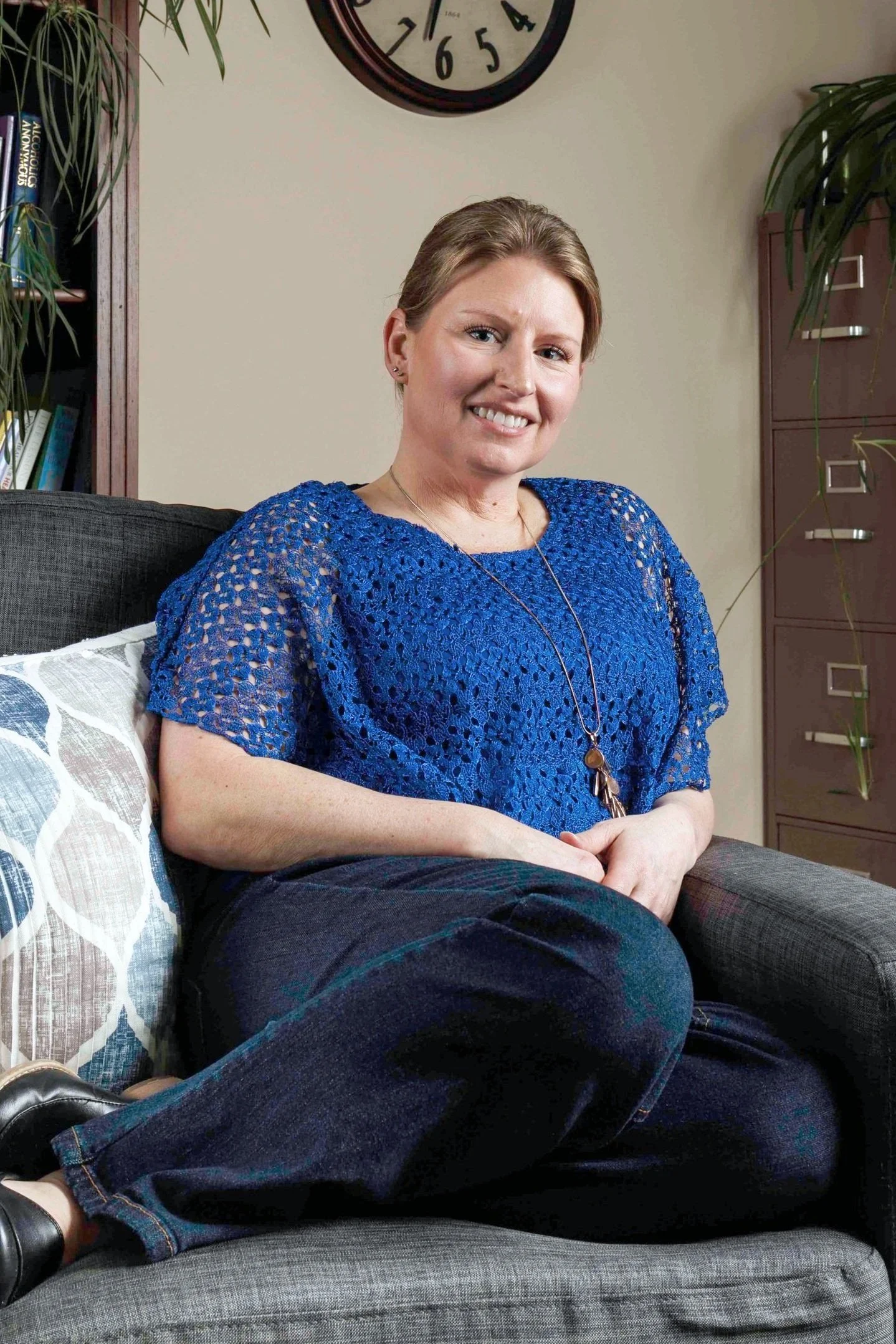
Rachel Baker is a Spokane, Washington-based psychotherapist, with over 20 years of experience helping overworked and overwhelmed people reduce anxiety and explore their use of substances.
Her goal is to connect individual client strengths and experiences with proven therapeutic techniques that increase skill and insight in order for people to create a life filled with peace+purpose.
If you are looking for individual therapy to address anxiety, addiction or trauma, and are located in Washington State, complete this form to schedule a free 15-minute consultation.